Author: user
-
-
EMPIRE
Jump To Section
undefined
Watch: Indoor Hydroponic Gardening in Action
EMPIRE
Jump To Section
undefined
Watch: Indoor Hydroponic Gardening in Action
Ultimate Guide to Indoor Hydroponic Gardening: Grow Lush Greens Year-Round (2026)
EMPIRE
Jump To Section
- Tired of Bland Store-Bought Vegetables? Unlock the Secret to Fresh, Flavorful Produce at Home!
- Why Choose Hydroponics? The Benefits are Crystal Clear
- Getting Started: Choosing the Right Hydroponic System
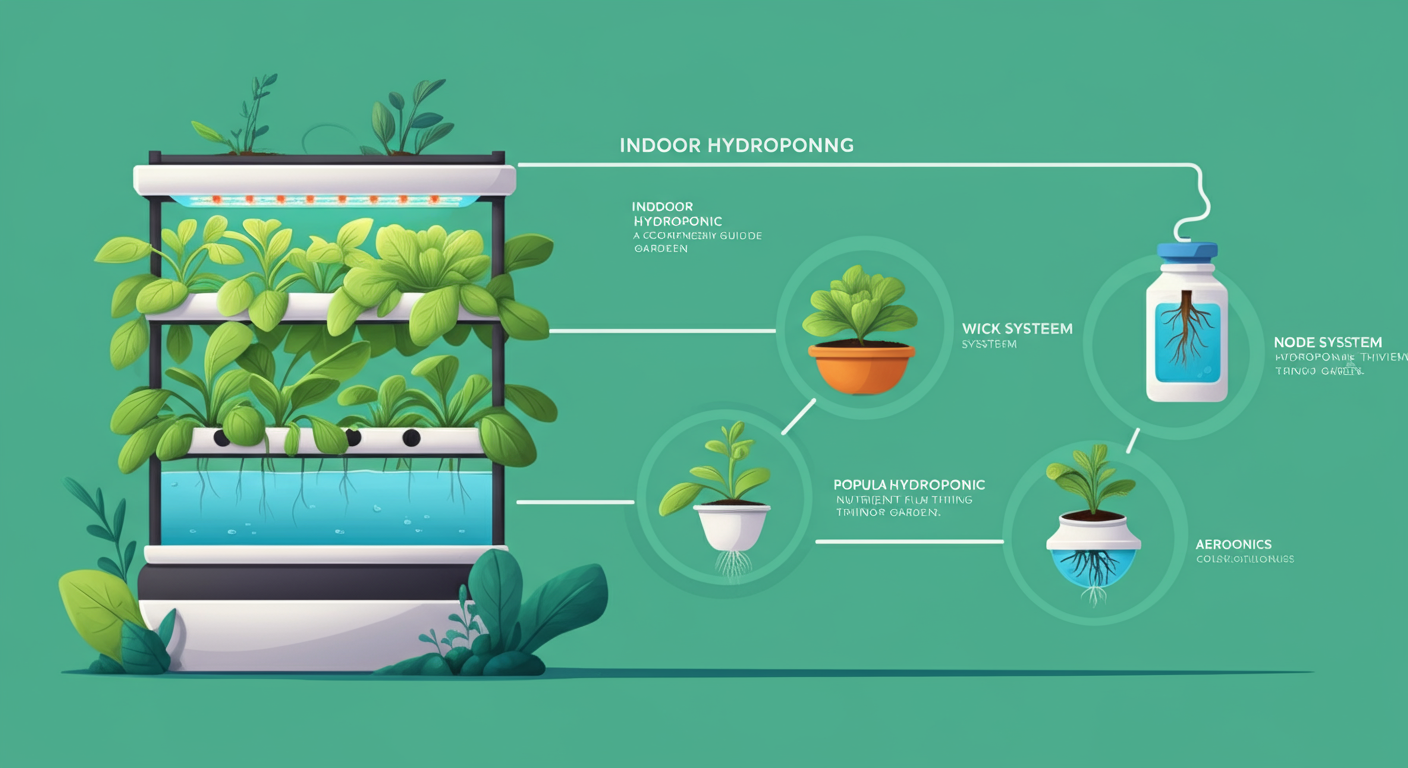
- Wick System: The Simplest Approach
- Deep Water Culture (DWC): A Beginner’s Favorite
- Nutrient Film Technique (NFT): Continuous Nutrient Flow
- Ebb and Flow (Flood and Drain): Intermittent Nutrient Delivery
- Drip System: Precision Nutrient Delivery
- Aeroponics: Roots in the Air
- Essential Equipment for Your Indoor Hydroponic Garden
- Lighting Your Way to Success: Choosing the Right Grow Lights
- Nourishing Your Plants: Understanding Hydroponic Nutrients
- Plant Selection: What to Grow in Your Indoor Hydroponic Garden
- Troubleshooting Common Hydroponic Problems
- Planning Your Garden Layout: The Importance of Space and Light
- Calculating Your Nutrient Needs: Optimizing for Growth with
- The Future of Hydroponics: Automation and Beyond
- Ready to Get Started? Your Indoor Garden Awaits!
Tired of Bland Store-Bought Vegetables? Unlock the Secret to Fresh, Flavorful Produce at Home!
Imagine biting into a crisp, vibrant tomato grown right in your living room, even in the dead of winter. That’s the power of indoor hydroponic gardening! It’s no longer a futuristic fantasy; it’s a readily accessible method for growing delicious, healthy food year-round, regardless of space or climate. This comprehensive guide will walk you through everything you need to know to start your own thriving indoor hydroponic garden in 2026.
Why Choose Hydroponics? The Benefits are Crystal Clear
Forget soil-borne diseases, weeding, and unpredictable weather. Hydroponics offers a multitude of advantages:
- Faster Growth: Plants receive nutrients directly at their roots, leading to significantly accelerated growth rates.
- Higher Yields: Optimize growing conditions for maximum productivity and abundant harvests.
- Reduced Water Consumption: Hydroponic systems recirculate water, using up to 90% less water than traditional gardening.
- Space Efficiency: Grow a large quantity of plants in a small space – perfect for apartments and urban dwellers.
- Year-Round Growing: Control temperature, light, and humidity to grow your favorite crops any time of the year.
- Fewer Pests and Diseases: Eliminate soil, a common source of pests and diseases, leading to healthier plants.
Getting Started: Choosing the Right Hydroponic System
Several hydroponic systems cater to different budgets, spaces, and gardening experience levels. Here’s a breakdown of the most popular options:
Wick System: The Simplest Approach
The wick system is a passive hydroponic method, meaning it doesn’t require pumps or electricity. Nutrients are drawn up to the roots through wicks from a reservoir. It’s best suited for herbs and small plants like lettuce.
Deep Water Culture (DWC): A Beginner’s Favorite
In DWC, plant roots are suspended in a nutrient-rich solution that is aerated with an air pump and air stone. This system is simple, effective, and ideal for leafy greens and herbs.
Nutrient Film Technique (NFT): Continuous Nutrient Flow
NFT involves a shallow stream of nutrient solution continuously flowing over the plant roots. This system requires a pump and is best for lightweight plants like lettuce, spinach, and herbs. Requires careful monitoring to prevent pump failure leading to dry roots.
Ebb and Flow (Flood and Drain): Intermittent Nutrient Delivery
Ebb and flow systems periodically flood the growing tray with nutrient solution, which then drains back into the reservoir. This method is versatile and can be used for a wide range of plants.
Drip System: Precision Nutrient Delivery
Drip systems deliver nutrient solution directly to the base of each plant through small tubes. This system is water and nutrient-efficient and suitable for larger plants like tomatoes and peppers.
Aeroponics: Roots in the Air
Aeroponics suspends plant roots in the air and periodically sprays them with nutrient solution. This is the most advanced and water-efficient hydroponic system, but it requires careful monitoring and maintenance.
Essential Equipment for Your Indoor Hydroponic Garden
Once you’ve chosen your hydroponic system, you’ll need to gather the necessary equipment:
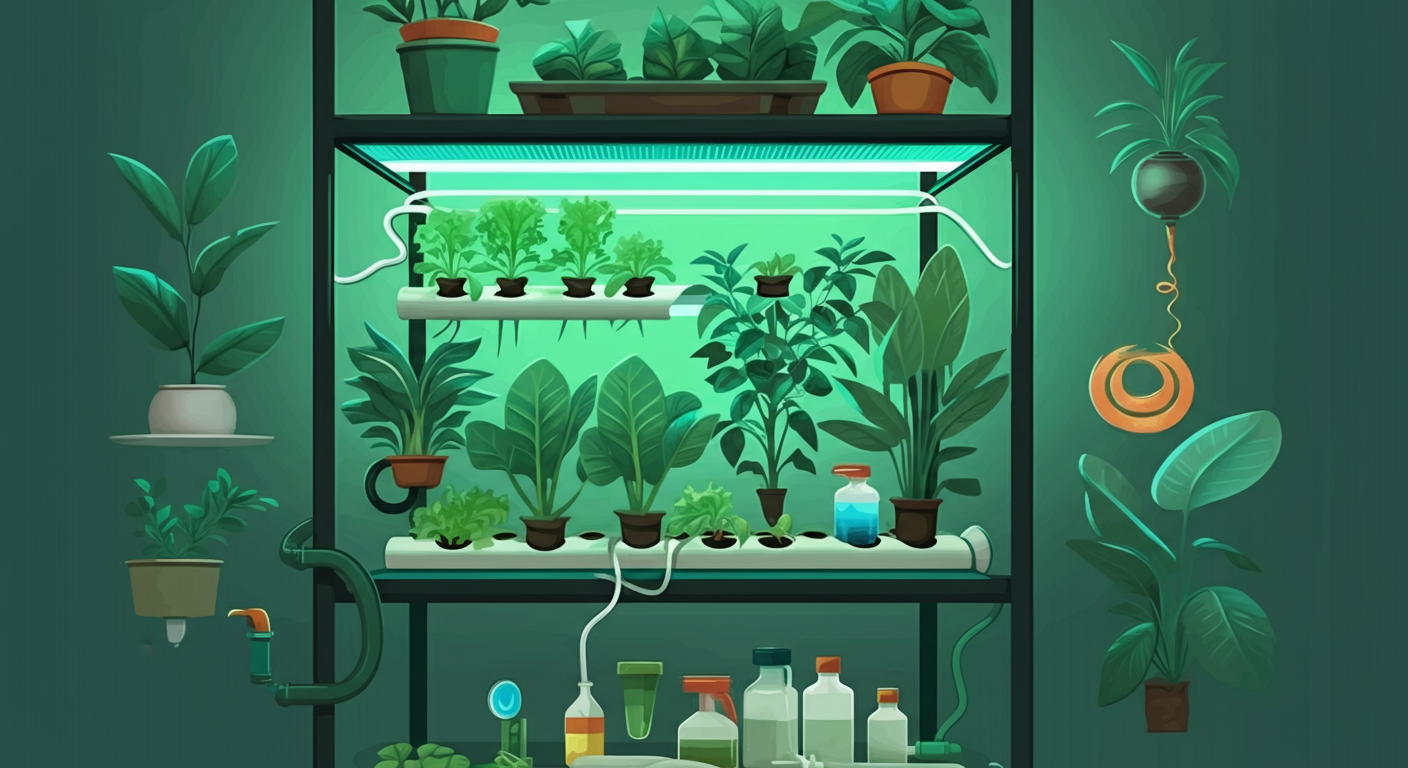
- Grow Lights: Provide the necessary light for photosynthesis. LED grow lights are energy-efficient and offer customizable spectrums.
- Nutrient Solution: A balanced blend of essential minerals and nutrients for plant growth.
- Growing Medium: Supports the plant roots. Common options include rockwool, coco coir, and perlite.
- pH Meter: Measures the acidity or alkalinity of the nutrient solution.
- TDS/EC Meter: Measures the total dissolved solids (TDS) or electrical conductivity (EC) of the nutrient solution.
- Air Pump and Air Stone (for DWC): Oxygenate the nutrient solution in DWC systems.
- Water Pump: Circulates the nutrient solution in NFT, ebb and flow, and drip systems.
- Timers: Automate grow light cycles and nutrient delivery.
- Reservoir: Holds the nutrient solution.
Lighting Your Way to Success: Choosing the Right Grow Lights
Choosing the right grow lights is crucial for successful indoor hydroponic gardening. Consider these factors:
- Light Spectrum: Plants need different light spectrums for vegetative growth and flowering/fruiting. Look for full-spectrum LED grow lights that provide a balanced spectrum.
- Light Intensity: The amount of light required depends on the type of plant and its growth stage. Use a light meter to measure the light intensity at the plant canopy.
- Energy Efficiency: LED grow lights are the most energy-efficient option.
- Heat Output: High-pressure sodium (HPS) lights generate a lot of heat, which can be problematic in small spaces. LEDs produce significantly less heat.
Nourishing Your Plants: Understanding Hydroponic Nutrients
Hydroponic nutrients are specially formulated to provide plants with all the essential minerals and nutrients they need to thrive in a soilless environment. Look for nutrient solutions specifically designed for hydroponics and follow the manufacturer’s instructions carefully.
Remember to regularly monitor the pH and TDS/EC of the nutrient solution. The ideal pH range for most hydroponic plants is between 5.5 and 6.5. The TDS/EC level indicates the concentration of nutrients in the solution. Maintaining the correct pH and TDS/EC levels is essential for optimal plant growth.
Plant Selection: What to Grow in Your Indoor Hydroponic Garden
Many plants thrive in hydroponic systems. Here are some popular choices:
- Leafy Greens: Lettuce, spinach, kale, arugula
- Herbs: Basil, mint, parsley, cilantro, chives
- Tomatoes: Cherry tomatoes, grape tomatoes
- Peppers: Bell peppers, chili peppers
- Strawberries: Compact varieties
- Cucumbers: Bush or dwarf varieties
Consider the space available and your personal preferences when selecting plants for your hydroponic garden.
Troubleshooting Common Hydroponic Problems
Even with the best setup, you may encounter some challenges. Here are some common problems and solutions:
- Nutrient Deficiencies: Yellowing leaves, stunted growth. Solution: Adjust nutrient solution based on plant needs.
- pH Imbalance: Nutrient lockout. Solution: Adjust pH to the optimal range (5.5-6.5).
- Algae Growth: Green slime in the reservoir. Solution: Block light from entering the reservoir.
- Root Rot: Brown, slimy roots. Solution: Improve aeration and drainage.
- Pests: Aphids, spider mites. Solution: Use insecticidal soap or neem oil.
Planning Your Garden Layout: The Importance of Space and Light
Before you even start assembling your hydroponic system, take some time to plan out the layout of your garden. Consider the following factors:
- Available Space: Measure the area you have available for your garden and choose a system that fits comfortably within that space.
- Light Distribution: Ensure that all plants receive adequate light. Adjust the position of your grow lights as needed.
- Accessibility: Make sure you can easily access your plants for watering, pruning, and harvesting.
- Air Circulation: Good air circulation helps prevent mold and mildew. Consider using a small fan to improve air flow.
Calculating Your Nutrient Needs: Optimizing for Growth with [WIDGET_HERE]
Determining the precise amount of nutrients your plants need can be tricky. Factors such as plant type, growth stage, and system volume all play a role. That’s where the [WIDGET_HERE] calculator comes in handy. This tool allows you to input these key parameters and instantly calculate the optimal nutrient concentration for your hydroponic system. It takes the guesswork out of nutrient management, ensuring your plants receive the precise balance of nutrients they need to thrive. Experimentation is key, but the [WIDGET_HERE] calculator provides a solid foundation for optimal growth. Use it to dial in the perfect nutrient solution and watch your plants flourish!
The Future of Hydroponics: Automation and Beyond
As technology advances, indoor hydroponic gardening is becoming even more automated and accessible. Expect to see more sophisticated sensors, AI-powered nutrient management systems, and fully automated growing platforms in the years to come. Embrace the future of food production and start your own indoor hydroponic garden today!
Ready to Get Started? Your Indoor Garden Awaits!
Indoor hydroponic gardening is a rewarding and sustainable way to grow your own food. With a little planning and effort, you can enjoy fresh, flavorful produce year-round. So, what are you waiting for? Start building your indoor hydroponic garden today and experience the joy of harvesting your own homegrown goodness!
Watch: Indoor Hydroponic Gardening in Action
The Ultimate Guide to Indoor Hydroponic Gardening (2026 Edition)
EMPIRE
Jump To Section
- Tired of Wilted Lettuce and Sky-High Grocery Bills? Welcome to Indoor Hydroponics.
- Why Choose Indoor Hydroponics? The 2026 Advantage
- Choosing the Right Hydroponic System for You
- Deep Water Culture (DWC)
- Nutrient Film Technique (NFT)
- Ebb and Flow (Flood and Drain)
- Drip System
- Aeroponics
- Setting Up Your Indoor Hydroponic Garden: A Step-by-Step Guide
- Essential Equipment for Your Indoor Hydroponic Garden (2026 Recommendations)
- Troubleshooting Common Hydroponic Problems
- The Future of Indoor Hydroponics: What’s Next?
Tired of Wilted Lettuce and Sky-High Grocery Bills? Welcome to Indoor Hydroponics.
Imagine harvesting fresh, vibrant greens in the dead of winter, all from the comfort of your living room. Indoor hydroponic gardening makes this a reality. Forget the limitations of soil, weather, and space. In 2026, hydroponics is no longer a futuristic fantasy; it’s a practical, sustainable, and increasingly popular way to grow food.
This comprehensive guide will walk you through everything you need to know to start your own thriving indoor hydroponic garden, from choosing the right system to troubleshooting common problems. Whether you’re a seasoned gardener or a complete beginner, we’ve got you covered.
Why Choose Indoor Hydroponics? The 2026 Advantage
- Year-Round Harvests: No more seasonal limitations. Grow your favorite fruits, vegetables, and herbs any time of year.
- Faster Growth Rates: Plants in hydroponic systems often grow significantly faster than in traditional soil-based gardens.
- Reduced Water Consumption: Hydroponics can use up to 90% less water than traditional gardening.
- Pest and Disease Control: Growing indoors minimizes exposure to pests and diseases, reducing the need for harmful pesticides.
- Space Efficiency: Hydroponic systems are ideal for small spaces, making them perfect for apartments, condos, and urban environments.
- Precise Nutrient Control: Tailor nutrient solutions to meet the exact needs of your plants, maximizing growth and yield.
- Less Weeding: Say goodbye to back-breaking weeding!
Choosing the Right Hydroponic System for You
Several different hydroponic systems are available, each with its own advantages and disadvantages. Here’s a breakdown of the most popular options:
Deep Water Culture (DWC)
DWC is one of the simplest hydroponic systems. Plants are suspended in a nutrient-rich solution, with their roots submerged. An air pump and air stone provide oxygen to the roots.
- Pros: Easy to set up, inexpensive, good for leafy greens.
- Cons: Limited plant size, susceptible to temperature fluctuations.
Nutrient Film Technique (NFT)
In an NFT system, a shallow stream of nutrient solution flows continuously over the plant roots. This ensures that the roots have access to both nutrients and oxygen.
- Pros: Efficient nutrient delivery, good for leafy greens and herbs.
- Cons: Requires a reliable pump, susceptible to power outages.
Ebb and Flow (Flood and Drain)
Ebb and flow systems periodically flood the grow tray with nutrient solution, which then drains back into the reservoir. This provides the plants with a cyclical supply of nutrients and oxygen.
- Pros: Versatile, can be used for a wide variety of plants.
- Cons: Requires a timer and pump, prone to salt buildup.
Drip System
Drip systems deliver nutrient solution directly to the base of each plant through a network of tubes and emitters. This allows for precise control over nutrient delivery.
- Pros: Efficient water and nutrient use, good for larger plants.
- Cons: Requires more complex setup, prone to clogging.
Aeroponics
Aeroponics suspends plant roots in the air and sprays them with nutrient solution. This provides the roots with maximum access to oxygen.
- Pros: Fastest growth rates, efficient nutrient use.
- Cons: Most complex and expensive system, requires precise nutrient control.
Setting Up Your Indoor Hydroponic Garden: A Step-by-Step Guide
- Choose Your System: Consider your space, budget, and experience level when selecting a hydroponic system.
- Gather Your Supplies: You’ll need a grow tray or container, a reservoir, a pump (for some systems), an air pump and air stone (for DWC), growing media (such as rockwool or coco coir), nutrient solutions, and grow lights.
- Set Up Your System: Follow the instructions for your chosen system to assemble all the components.
- Prepare Your Nutrient Solution: Mix the nutrient solution according to the manufacturer’s instructions. Pro Tip: Use our
calculator to precisely determine the optimal nutrient concentration for your specific plants and system size, maximizing yield and minimizing waste. Accurate nutrient measurements lead to fewer deficiencies and toxicities!
- Plant Your Seedlings: Start your seeds in a separate seed starting tray and transplant them into your hydroponic system once they have developed a few true leaves.
- Provide Adequate Lighting: Use grow lights to provide your plants with the light they need to grow. LED grow lights are the most energy-efficient and long-lasting option.
- Monitor and Maintain: Regularly check the pH and nutrient levels of your solution, and adjust as needed. Also, monitor your plants for any signs of pests or diseases.
Essential Equipment for Your Indoor Hydroponic Garden (2026 Recommendations)
- LED Grow Lights: Choose full-spectrum LED grow lights with adjustable intensity to meet the changing needs of your plants.
- pH Meter: Accurately measure the pH of your nutrient solution. Aim for a pH of 5.5-6.5 for most plants.
- EC Meter (TDS Meter): Measure the electrical conductivity (EC) or total dissolved solids (TDS) of your nutrient solution to ensure the correct nutrient concentration.
- Air Pump and Air Stone: Provide oxygen to the roots in DWC systems.
- Timer: Control the timing of your grow lights and pumps. Smart timers with app integration are becoming increasingly popular for remote monitoring.
- Water Pump: Circulate nutrient solution in NFT, ebb and flow, and drip systems.
- Growing Media: Choose a suitable growing medium, such as rockwool, coco coir, or clay pebbles.
Troubleshooting Common Hydroponic Problems
- Nutrient Deficiencies: Yellowing leaves, stunted growth, or unusual coloration can indicate nutrient deficiencies. Use a nutrient solution specifically formulated for hydroponics and adjust the concentration as needed.
- pH Imbalance: An incorrect pH can prevent plants from absorbing nutrients. Use pH up or pH down solutions to adjust the pH of your nutrient solution.
- Algae Growth: Algae can compete with your plants for nutrients and oxygen. Keep your reservoir covered and use an algaecide if necessary.
- Root Rot: Root rot is a fungal disease that can damage plant roots. Ensure adequate aeration and avoid overwatering.
- Pests: Even indoors, pests can occasionally infest your hydroponic garden. Use organic pest control methods to eliminate pests.
The Future of Indoor Hydroponics: What’s Next?
In 2026, indoor hydroponics is poised for even greater growth and innovation. Expect to see:
- Increased Automation: Smart hydroponic systems with automated nutrient delivery, pH control, and lighting adjustments.
- Advanced Sensors: Real-time monitoring of plant health and environmental conditions using sophisticated sensors.
- Vertical Farming: Large-scale indoor farms utilizing vertical space to maximize crop production.
- AI-Powered Gardening: Artificial intelligence algorithms that optimize growing conditions for maximum yield and efficiency.
Ready to embark on your indoor hydroponic gardening adventure? With the right knowledge and equipment, you can create a thriving garden that provides you with fresh, healthy food all year round. Happy growing!
Watch: Indoor Hydroponic Gardening in Action
The Ultimate Guide to Indoor Hydroponics: Grow Like a Pro in 2026
EMPIRE
Jump To Section
- Tired of bland, tasteless produce from the grocery store? Imagine plucking fresh, vibrant greens, juicy tomatoes, and aromatic herbs directly from your indoor garden, any time of year. In 2026, indoor hydroponics is no longer a futuristic fantasy; it’s a thriving reality accessible to everyone. This pillar post is your comprehensive guide to mastering the art and science of indoor hydroponic gardening.
- Choosing the Right Hydroponic System for Your Needs
- Deep Water Culture (DWC)
- Nutrient Film Technique (NFT)
- Ebb and Flow (Flood and Drain)
- Drip Systems
- Aeroponics
- Essential Equipment for Your Indoor Hydroponic Garden
- Mastering Nutrient Management: The Key to Hydroponic Success
- Understanding pH and EC
- Calculating Nutrient Needs
- Troubleshooting Common Hydroponic Problems
- The Future of Indoor Hydroponics: What to Expect in 2026 and Beyond
- Ready to Get Started?
Tired of bland, tasteless produce from the grocery store? Imagine plucking fresh, vibrant greens, juicy tomatoes, and aromatic herbs directly from your indoor garden, any time of year. In 2026, indoor hydroponics is no longer a futuristic fantasy; it’s a thriving reality accessible to everyone. This pillar post is your comprehensive guide to mastering the art and science of indoor hydroponic gardening.
Hydroponics, at its core, is the practice of growing plants without soil, using nutrient-rich water solutions. This method unlocks several key advantages for indoor gardeners:
- Faster Growth: Plants receive precisely the nutrients they need, leading to accelerated growth cycles.
- Higher Yields: Optimize spacing and environmental controls for significantly larger harvests.
- Water Conservation: Hydroponic systems use significantly less water than traditional soil-based gardening.
- Year-Round Growing: Control temperature, humidity, and light to grow your favorite plants regardless of the season.
- Reduced Pests and Diseases: Eliminating soil reduces the risk of soil-borne pests and diseases.
- Space Efficiency: Hydroponic systems can be scaled and configured to fit even small apartments.
Choosing the Right Hydroponic System for Your Needs
Several hydroponic systems are available, each with its own advantages and disadvantages. Understanding these differences is crucial for selecting the best system for your goals, space, and budget.
Deep Water Culture (DWC)
One of the simplest and most affordable systems. Plants are suspended with their roots submerged in an aerated nutrient solution. An air pump and air stone provide oxygen to the roots. Ideal for beginners and leafy greens.
Nutrient Film Technique (NFT)
A thin film of nutrient solution flows continuously over the roots of the plants. This system is very efficient with water and nutrients. Best suited for lettuce, herbs, and strawberries.
Ebb and Flow (Flood and Drain)
Plants are grown in a tray that is periodically flooded with nutrient solution and then drained. This system is versatile and can be used for a wide range of plants.
Drip Systems
Nutrient solution is delivered directly to the base of each plant through drip emitters. This system is highly customizable and suitable for larger plants like tomatoes and peppers.
Aeroponics
Plant roots are suspended in the air and periodically sprayed with nutrient solution. This system requires precise control but offers the fastest growth rates. Often used for commercial applications.
Essential Equipment for Your Indoor Hydroponic Garden
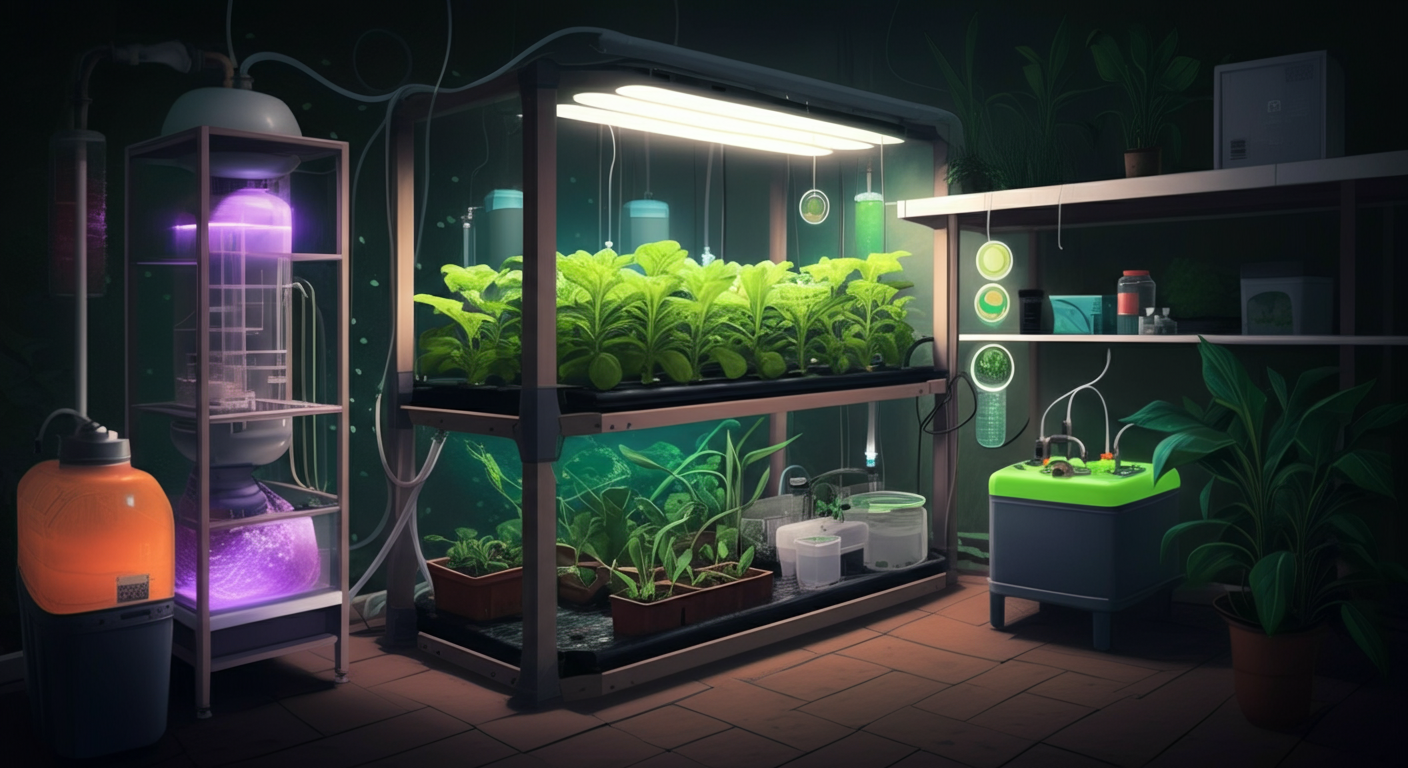
Setting up your indoor hydroponic garden requires a few key pieces of equipment:
- Grow Lights: Provide the necessary light spectrum for plant growth. LED grow lights are the most energy-efficient and versatile option.
- Nutrient Solution: A balanced mix of essential minerals and nutrients formulated specifically for hydroponics.
- Growing Medium (if needed): Rockwool, coco coir, or clay pebbles provide support for the plants.
- Water Pump: Circulates the nutrient solution in systems like NFT and ebb and flow.
- Air Pump and Air Stone: Oxygenate the nutrient solution in DWC systems.
- pH Meter: Monitors the acidity or alkalinity of the nutrient solution.
- EC Meter (Electrical Conductivity): Measures the nutrient concentration in the solution.
- Timers: Automate lighting and watering cycles.
- Reservoir: Holds the nutrient solution.
- Environmental Controller (optional): Regulates temperature, humidity, and CO2 levels.
Mastering Nutrient Management: The Key to Hydroponic Success
Providing the right nutrients is crucial for healthy plant growth in hydroponics. Using a high-quality hydroponic nutrient solution is essential. However, regular monitoring and adjustments are also necessary.
Understanding pH and EC
pH measures the acidity or alkalinity of the nutrient solution. Most hydroponic plants thrive in a slightly acidic range (5.5-6.5). Use a pH meter to monitor and adjust the pH as needed, using pH up or pH down solutions.
EC (Electrical Conductivity) measures the nutrient concentration in the solution. Different plants require different nutrient levels. Regularly check the EC using an EC meter and adjust the nutrient solution accordingly.
Calculating Nutrient Needs
Determining the ideal nutrient concentration for your plants can be challenging. Factors like plant type, growth stage, and environmental conditions all play a role. That’s where the
calculator comes in handy. This tool allows you to input your plant type, system type, and reservoir size to calculate the precise amount of nutrient solution needed, preventing over- or under-fertilization.
Troubleshooting Common Hydroponic Problems
Even with careful planning, you may encounter some challenges in your hydroponic garden. Here are some common problems and how to address them:
- Nutrient Deficiencies: Yellowing leaves, stunted growth, or unusual discoloration can indicate nutrient deficiencies. Adjust the nutrient solution based on the specific deficiency.
- Algae Growth: Algae can compete with plants for nutrients and oxygen. Keep the nutrient solution covered and use opaque containers to prevent algae growth.
- Root Rot: Overwatering or poor aeration can lead to root rot. Ensure adequate aeration and avoid overwatering.
- Pests: While hydroponics reduces the risk of soil-borne pests, pests can still be a problem. Use organic pest control methods like neem oil or insecticidal soap.
- pH Fluctuations: Regularly monitor and adjust the pH of the nutrient solution.
The Future of Indoor Hydroponics: What to Expect in 2026 and Beyond
Indoor hydroponics is rapidly evolving. Expect to see advancements in:
- Automation: More sophisticated systems that automatically monitor and adjust environmental conditions and nutrient levels.
- LED Technology: More efficient and customizable LED grow lights.
- Data Analytics: Using data to optimize plant growth and predict potential problems.
- Vertical Farming: Large-scale indoor farms that maximize space and resource efficiency.
- Smart Home Integration: Seamless integration with smart home devices for remote monitoring and control.
Ready to Get Started?
Indoor hydroponics offers a rewarding and sustainable way to grow your own food. With careful planning and the right equipment, you can enjoy fresh, delicious produce year-round. Use this guide as your starting point and don’t hesitate to experiment and learn. Happy growing!
Watch: Indoor Hydroponic Gardening in Action
Ultimate Guide to Indoor Hydroponic Gardening: Grow Fresh Produce Year-Round (2026)
EMPIRE
Jump To Section
- Tired of limp lettuce and flavorless tomatoes from the grocery store?
- What is Hydroponics, Exactly?
- Why Choose Indoor Hydroponics in 2026?
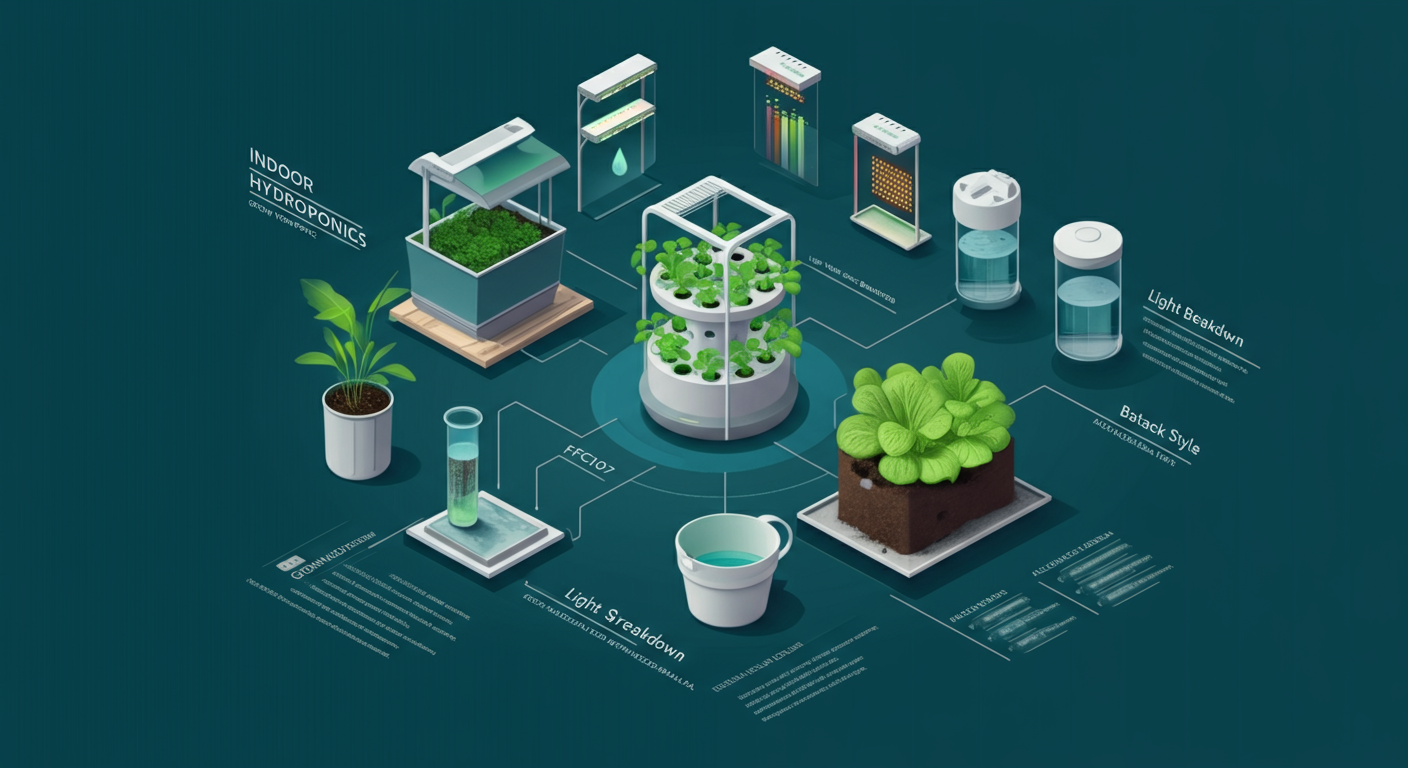
- Types of Indoor Hydroponic Systems
- Deep Water Culture (DWC)
- Nutrient Film Technique (NFT)
- Ebb and Flow (Flood and Drain)
- Drip System
- Aeroponics
- Setting Up Your Indoor Hydroponic Garden
- 1. Choose Your System and Location
- 2. Gather Your Supplies
- 3. Assemble Your System
- 4. Prepare Your Nutrient Solution
- 5. Plant Your Seedlings or Clones
- 6. Monitor and Maintain Your System
- Lighting Your Indoor Garden
- Choosing the Right Nutrients
- Common Problems and Solutions
- The Future of Indoor Hydroponics (2026 and Beyond)
Tired of limp lettuce and flavorless tomatoes from the grocery store?
Imagine harvesting crisp, vibrant greens and juicy, sun-ripened (indoor-ripened!) fruits right from your own home, 365 days a year. Indoor hydroponic gardening makes this a reality, regardless of your climate or outdoor space. This comprehensive guide will walk you through everything you need to know to get started and thrive in the world of soilless cultivation in 2026.
What is Hydroponics, Exactly?
At its core, hydroponics is the art and science of growing plants without soil. Instead of relying on soil for nutrients, the plant roots are submerged in, or regularly exposed to, a nutrient-rich water solution. This allows plants to access everything they need directly, leading to faster growth, higher yields, and less susceptibility to soil-borne diseases.
Why Choose Indoor Hydroponics in 2026?
- Year-Round Growing: Say goodbye to seasonal limitations! Control the climate and light to grow your favorite crops any time of the year.
- Space Efficiency: Perfect for apartments, condos, and urban dwellers. Vertical systems maximize yields in minimal space.
- Higher Yields: Plants in hydroponic systems often grow faster and produce more than their soil-grown counterparts due to optimized nutrient delivery.
- Water Conservation: Hydroponic systems can use significantly less water than traditional gardening.
- Reduced Pest and Disease Issues: Without soil, you eliminate many common soil-borne pests and diseases.
- Controlled Environment: Precise control over temperature, humidity, and lighting ensures optimal growing conditions.
Types of Indoor Hydroponic Systems
Choosing the right system is crucial for success. Here’s a breakdown of popular options:
Deep Water Culture (DWC)
Simple and beginner-friendly. Plants are suspended in a container of nutrient solution, with an air pump providing oxygen to the roots. Best for leafy greens like lettuce and herbs.
Nutrient Film Technique (NFT)
A shallow stream of nutrient solution flows continuously over the plant roots. Ideal for smaller plants like herbs, strawberries, and lettuce. Requires consistent monitoring of the nutrient solution.
Ebb and Flow (Flood and Drain)
The growing tray is periodically flooded with nutrient solution and then drained back into a reservoir. Versatile system suitable for various plants, including larger fruiting vegetables.
Drip System
Nutrient solution is delivered directly to the base of each plant through small drippers. Efficient and allows for precise control over nutrient delivery. Well-suited for larger plants like tomatoes, peppers, and cucumbers.
Aeroponics
Plant roots are suspended in the air and periodically sprayed with nutrient solution. Highly efficient in terms of water and nutrient use but requires more technical expertise. Can be used for most plants.
Setting Up Your Indoor Hydroponic Garden
Ready to get your hands dirty (or rather, wet!)? Here’s a step-by-step guide:
1. Choose Your System and Location
Consider your space, budget, and the types of plants you want to grow. A well-lit area is essential, or you can supplement with grow lights.
2. Gather Your Supplies
You’ll need:
- Hydroponic system (pre-built or DIY)
- Nutrient solution (specifically formulated for hydroponics)
- Grow media (rockwool, coco coir, perlite, etc.)
- Grow lights (LEDs are energy-efficient and long-lasting)
- Air pump and air stone (for DWC systems)
- pH meter and TDS meter (for monitoring nutrient solution)
- Timer (for grow lights and pumps)
3. Assemble Your System
Follow the instructions for your chosen system. Ensure all connections are secure and leak-proof.
4. Prepare Your Nutrient Solution
Carefully follow the instructions on the nutrient solution package. Use a pH meter to adjust the pH to the optimal range for your plants (typically 5.5-6.5). Monitor the TDS (Total Dissolved Solids) to ensure the nutrient concentration is correct. This is where the
calculator can be invaluable. Simply input your target crop, system type, and water source, and it will provide a precise nutrient solution recipe tailored to your needs, saving you time and preventing costly errors. This calculator takes into account the latest advancements in hydroponic nutrient formulations for 2026, ensuring your plants receive the optimal balance of macro and micronutrients.
5. Plant Your Seedlings or Clones
Start with healthy seedlings or clones from a reputable source. Gently transfer them to your chosen grow media within the hydroponic system.
6. Monitor and Maintain Your System
Regularly check the pH and TDS of your nutrient solution. Adjust as needed. Inspect your plants for signs of pests or diseases. Prune and train your plants as necessary.
Lighting Your Indoor Garden
Grow lights are essential for indoor hydroponic gardening. LED grow lights are the most popular choice due to their energy efficiency, long lifespan, and full-spectrum light output. Consider the size of your growing area and the light requirements of your plants when selecting grow lights.
Choosing the Right Nutrients
Hydroponic nutrients are specially formulated to provide plants with all the essential elements they need for growth. Look for complete nutrient solutions that contain both macro and micronutrients. Remember to adjust the nutrient concentration based on the stage of plant growth. Again, leveraging the [WIDGET_HERE] is critical here to ensure correct PPM and pH values.
Common Problems and Solutions
Even the most experienced hydroponic gardeners encounter challenges. Here are some common problems and how to address them:
- Nutrient Deficiencies: Yellowing leaves, stunted growth, or other discoloration can indicate nutrient deficiencies. Use a nutrient solution specifically formulated for hydroponics and adjust the concentration as needed. Regularly use the [WIDGET_HERE] to preemptively prevent deficiencies by creating tailored solutions.
- pH Imbalance: Incorrect pH can prevent plants from absorbing nutrients. Use a pH meter to monitor the pH and adjust it using pH up or pH down solutions.
- Algae Growth: Algae can compete with plants for nutrients and oxygen. Keep your system clean and use opaque containers to prevent light from reaching the nutrient solution.
- Pests and Diseases: While hydroponics reduces the risk, pests and diseases can still occur. Use organic pest control methods and ensure good air circulation.
The Future of Indoor Hydroponics (2026 and Beyond)
Indoor hydroponics is rapidly evolving with advancements in technology and research. Expect to see increased automation, AI-powered monitoring systems, and new, more efficient lighting solutions. Vertical farming and urban agriculture will continue to grow in popularity, bringing fresh, locally grown produce to communities around the world. Learning and adapting to these changes will be crucial for long-term success.
Ready to embark on your indoor hydroponic gardening journey? With a little planning and effort, you can enjoy fresh, homegrown produce year-round. Don’t forget to utilize the [WIDGET_HERE] calculator to optimize your nutrient solutions and maximize your yields!
Watch: Indoor Hydroponic Gardening in Action
The Ultimate Guide to Indoor Hydroponic Gardening (2026): Grow Like a Pro, Even in a Closet!
EMPIRE
Jump To Section
- Tired of sad supermarket tomatoes? Yearning for fresh herbs year-round? Indoor hydroponic gardening is no longer a futuristic fantasy – it’s a thriving reality, and in 2026, it’s easier and more accessible than ever.
- Why Choose Indoor Hydroponics?
- Understanding Hydroponic Systems: Choosing the Right One for You
- Setting Up Your Indoor Hydroponic Garden: A Step-by-Step Guide
- The Importance of Lighting in Indoor Hydroponics
- Essential Nutrients for Hydroponic Plants
- Troubleshooting Common Hydroponic Problems
- Calculating Your Hydroponic Needs with the
Calculator
- Advanced Techniques: Taking Your Hydroponic Garden to the Next Level
- The Future of Indoor Hydroponics: What’s on the Horizon?
Tired of sad supermarket tomatoes? Yearning for fresh herbs year-round? Indoor hydroponic gardening is no longer a futuristic fantasy – it’s a thriving reality, and in 2026, it’s easier and more accessible than ever.
Imagine harvesting crisp lettuce, vibrant strawberries, and fragrant basil, all grown right in your home, regardless of the weather outside. This comprehensive guide will walk you through everything you need to know to start your own indoor hydroponic garden, from choosing the right system to troubleshooting common problems. Whether you’re a seasoned gardener or a complete beginner, you’ll find the information you need to succeed.
Why Choose Indoor Hydroponics?
Forget battling weeds, pests, and unpredictable weather. Indoor hydroponics offers a multitude of advantages:
- Year-Round Growing: Enjoy fresh produce regardless of the season.
- Faster Growth: Plants grow significantly faster in a controlled hydroponic environment.
- Higher Yields: Get more produce from less space compared to traditional soil gardening.
- Water Conservation: Hydroponic systems use significantly less water.
- Reduced Pest and Disease: Controlled environments minimize pest and disease problems.
- Space Efficiency: Grow a lot in a small area – perfect for apartments and urban dwellers.
Understanding Hydroponic Systems: Choosing the Right One for You
Several hydroponic systems are available, each with its own strengths and weaknesses. Here’s a breakdown of the most popular options:
Deep Water Culture (DWC)
One of the simplest systems. Plants are suspended with their roots submerged in a nutrient-rich solution. An air pump provides oxygen.
Nutrient Film Technique (NFT)
A shallow stream of nutrient solution constantly flows over the roots. Great for leafy greens like lettuce and spinach.
Ebb and Flow (Flood and Drain)
Plants are periodically flooded with nutrient solution, which then drains back into a reservoir. Versatile and suitable for various plants.
Drip System
Nutrient solution is delivered to each plant individually through small drippers. Excellent for larger plants like tomatoes and peppers.
Aeroponics
Plant roots are suspended in the air and sprayed with nutrient solution. This method maximizes oxygen exposure for rapid growth.
Setting Up Your Indoor Hydroponic Garden: A Step-by-Step Guide
- Choose a Location: Select a spot with adequate space and access to electricity. Consider using grow lights if natural light is limited.
- Select Your System: Based on your space, budget, and desired plants, choose the appropriate hydroponic system.
- Gather Your Supplies: You’ll need a reservoir, grow trays or containers, air pump and stone (for DWC), nutrient solution, grow media (like rockwool or coco coir), and pH testing kit.
- Assemble Your System: Follow the instructions specific to your chosen system.
- Prepare Your Nutrient Solution: Mix the nutrient solution according to the manufacturer’s instructions. Use a pH testing kit to ensure the solution is within the optimal range (typically 5.5-6.5).
- Plant Your Seeds or Seedlings: Start seeds in a separate propagation tray or directly transplant seedlings into your hydroponic system.
- Monitor and Adjust: Regularly check the pH and nutrient levels of your solution. Adjust as needed to maintain optimal conditions.
The Importance of Lighting in Indoor Hydroponics
Since your plants won’t have access to natural sunlight, you’ll need to provide artificial lighting. LED grow lights are the most popular choice due to their energy efficiency, long lifespan, and customizable spectrums.
Consider these factors when choosing grow lights:
- Spectrum: Different plants require different light spectrums. Full-spectrum LEDs are a good all-around option.
- Intensity: The intensity of the light should be appropriate for the type of plants you’re growing.
- Distance: Maintain the correct distance between the lights and your plants to avoid burning or insufficient light exposure.
Essential Nutrients for Hydroponic Plants
Hydroponic plants rely entirely on the nutrient solution for their essential nutrients. Choose a high-quality hydroponic nutrient solution that contains all the necessary macro- and micronutrients. These nutrients include:
- Macronutrients: Nitrogen (N), Phosphorus (P), Potassium (K), Calcium (Ca), Magnesium (Mg), Sulfur (S)
- Micronutrients: Iron (Fe), Manganese (Mn), Zinc (Zn), Copper (Cu), Boron (B), Molybdenum (Mo)
Follow the manufacturer’s instructions carefully when mixing the nutrient solution. Avoid over- or under-fertilizing, as this can negatively impact plant growth.
Troubleshooting Common Hydroponic Problems
Even with careful planning, you may encounter problems. Here are some common issues and their solutions:
- Nutrient Deficiencies: Yellowing leaves, stunted growth, or unusual discoloration can indicate nutrient deficiencies. Adjust the nutrient solution accordingly.
- pH Imbalance: Incorrect pH levels can prevent plants from absorbing nutrients properly. Use a pH testing kit to monitor and adjust the pH.
- Algae Growth: Algae can compete with your plants for nutrients. Keep your system clean and use opaque containers to block out light.
- Root Rot: Caused by lack of oxygen or fungal infections. Ensure proper aeration and use a root rot treatment if necessary.
- Pest Infestations: While less common than in soil gardening, pests can still be a problem. Use organic pest control methods.
Calculating Your Hydroponic Needs with the [WIDGET_HERE] Calculator
Planning your hydroponic system doesn’t have to be a guessing game! Our [WIDGET_HERE] calculator helps you estimate your nutrient solution requirements, lighting needs, and overall system capacity. Simply input your plant type, system size, and desired yield, and the calculator will provide personalized recommendations to optimize your garden’s performance. It’s the perfect tool for both beginners and experienced hydroponic gardeners looking to fine-tune their setup.
Advanced Techniques: Taking Your Hydroponic Garden to the Next Level
Once you’ve mastered the basics, you can explore advanced techniques to further optimize your hydroponic garden:
- Environmental Control: Implementing temperature and humidity control can create the ideal growing environment.
- CO2 Enrichment: Increasing CO2 levels can boost plant growth and yields.
- Automated Systems: Automate tasks like nutrient feeding and pH control for greater efficiency and convenience.
The Future of Indoor Hydroponics: What’s on the Horizon?
Indoor hydroponics is a rapidly evolving field. Expect to see even more advancements in automation, lighting technology, and nutrient solutions in the coming years. Vertical farming, using stacked hydroponic systems, is poised to revolutionize urban food production and make fresh, healthy produce more accessible to everyone.
Ready to get started? With a little planning and effort, you can create your own thriving indoor hydroponic garden and enjoy the benefits of fresh, homegrown produce all year round!
Watch: Indoor Hydroponic Gardening in Action
Unlocking the Future of Food: Your Ultimate Guide to Indoor Hydroponic Gardening (2026)
EMPIRE
Jump To Section
- From Seed to Supper: The Indoor Hydroponic Revolution is Here
- Why Choose Hydroponics? The Benefits Beyond Fresh Produce
- Getting Started: Choosing the Right Hydroponic System
- 1. Deep Water Culture (DWC)
- 2. Nutrient Film Technique (NFT)
- 3. Ebb and Flow (Flood and Drain)
- 4. Drip System
- 5. Aeroponics
- Essential Equipment: Setting Up Your Hydroponic Garden
- Choosing the Right Plants: What to Grow Indoors
- Mastering Nutrient Management: Feeding Your Plants for Success
- Troubleshooting Common Problems: Preventing and Addressing Issues
- The Future of Indoor Gardening: What’s on the Horizon?
From Seed to Supper: The Indoor Hydroponic Revolution is Here
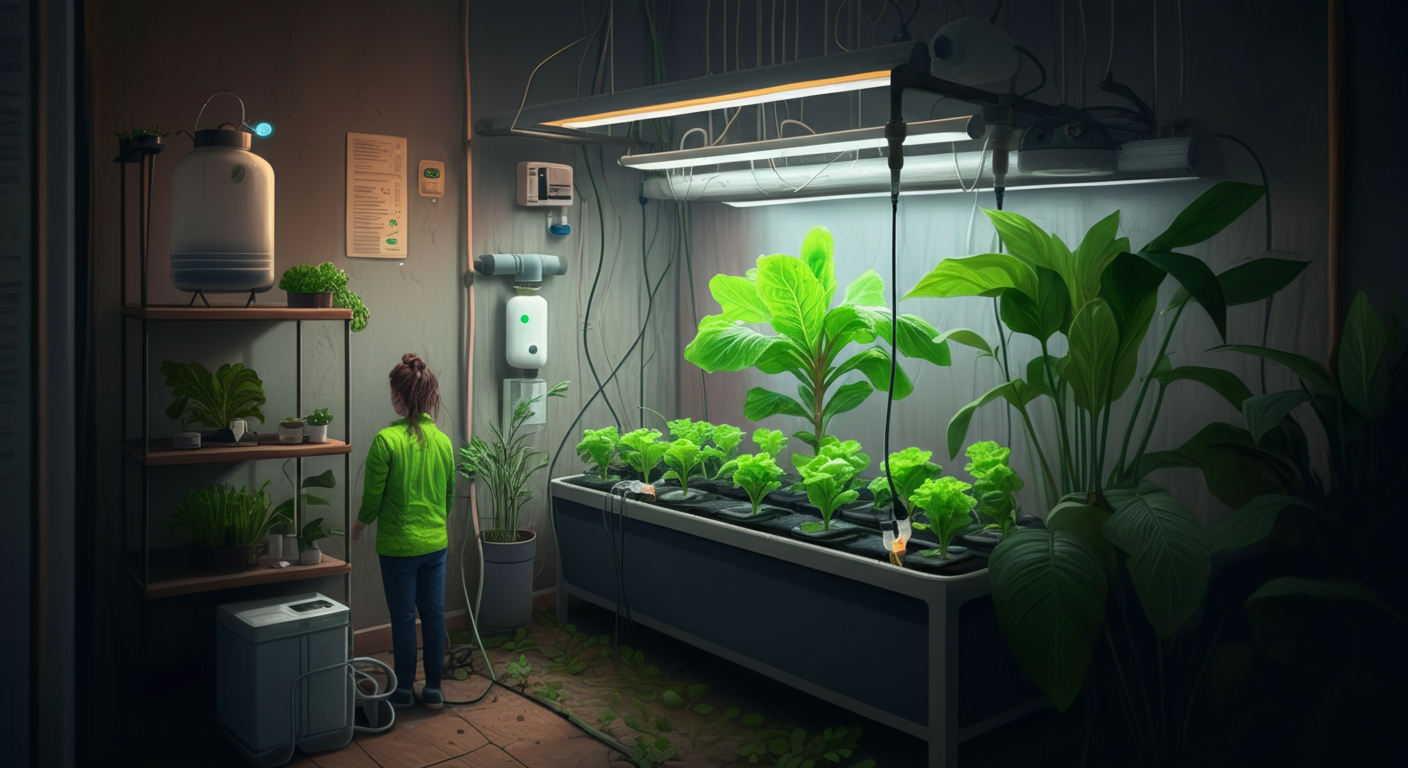
Imagine harvesting fresh, vibrant greens in the dead of winter, right from your living room. No soil, no weeds, and a fraction of the water usage compared to traditional gardening. That’s the promise of indoor hydroponic gardening, and in 2026, it’s more accessible and efficient than ever before. This isn’t just a trend; it’s a sustainable solution for food production, personal well-being, and a connection to nature, no matter where you live.
This comprehensive guide will equip you with everything you need to embark on your hydroponic journey, from understanding the basics to mastering advanced techniques. Whether you’re a seasoned gardener or a complete beginner, get ready to cultivate your own indoor oasis.
Why Choose Hydroponics? The Benefits Beyond Fresh Produce
- Year-Round Growing: Forget seasonal limitations. Enjoy fresh produce 365 days a year.
- Faster Growth Rates: Plants grow up to 50% faster in hydroponic systems due to readily available nutrients.
- Water Conservation: Hydroponics uses significantly less water than traditional soil-based gardening (up to 90% less!).
- Pest and Disease Control: Reduced risk of soil-borne pests and diseases leads to healthier plants and less need for pesticides.
- Space Efficiency: Grow more food in a smaller space, perfect for apartments and urban living.
- Nutrient Control: Precisely control the nutrient levels your plants receive, resulting in higher yields and better flavor.
- Therapeutic Benefits: Gardening is known to reduce stress and improve mental well-being.
Getting Started: Choosing the Right Hydroponic System
Several types of hydroponic systems cater to different needs and budgets. Here’s a breakdown of the most popular options:
1. Deep Water Culture (DWC)
The simplest and most affordable system. Plant roots are suspended in a nutrient-rich water solution, typically with an air stone to provide oxygen.
- Pros: Easy to set up, low cost, great for beginners.
- Cons: Limited to leafy greens and herbs, requires regular water changes.
2. Nutrient Film Technique (NFT)
A thin film of nutrient solution flows continuously over the plant roots. This system is highly efficient and suitable for commercial operations and home gardeners alike.
- Pros: High yields, efficient water and nutrient usage, scalable.
- Cons: Requires a reliable pump, susceptible to power outages.
3. Ebb and Flow (Flood and Drain)
The growing tray is periodically flooded with nutrient solution and then drained back into the reservoir. This system is versatile and can be used for a wide range of plants.
- Pros: Versatile, easy to maintain, relatively low cost.
- Cons: Requires a timer, potential for nutrient imbalances.
4. Drip System
A nutrient solution is slowly dripped onto the base of each plant. This system is ideal for larger plants and fruiting vegetables.
- Pros: Precise nutrient delivery, suitable for larger plants, customizable.
- Cons: Requires more components, potential for clogging.
5. Aeroponics
Plant roots are suspended in the air and periodically sprayed with a nutrient solution. This is the most advanced and efficient system, but it requires more technical expertise.
- Pros: Fastest growth rates, maximum oxygen exposure, highly efficient.
- Cons: Most complex system, requires precise control, susceptible to power outages.
Essential Equipment: Setting Up Your Hydroponic Garden
- Growing System: Choose a system based on your budget, space, and experience level.
- Grow Lights: Essential for indoor growing. LED grow lights are the most energy-efficient and effective option. Look for lights with a full spectrum to support all stages of plant growth.
- Nutrient Solution: Use a hydroponic-specific nutrient solution. Avoid using regular fertilizers, as they can clog your system and harm your plants.
- Growing Medium: Inert materials like rockwool, coco coir, or perlite provide support for the plants.
- Water Pump: Necessary for circulating the nutrient solution in most systems.
- Air Pump and Air Stone: To oxygenate the nutrient solution (especially important for DWC).
- pH Meter and TDS Meter: To monitor and adjust the pH and nutrient levels of the solution.
- Timers: To automate lighting and watering cycles.
Choosing the Right Plants: What to Grow Indoors
While many plants can thrive in hydroponic systems, some are particularly well-suited for indoor growing:
- Leafy Greens: Lettuce, spinach, kale, arugula, and chard are easy to grow and provide a continuous harvest.
- Herbs: Basil, mint, cilantro, parsley, and oregano are compact and flavorful additions to any hydroponic garden.
- Tomatoes: Dwarf varieties are best suited for indoor growing.
- Peppers: Similar to tomatoes, choose compact varieties for optimal results.
- Strawberries: A delicious and rewarding crop to grow hydroponically.
Mastering Nutrient Management: Feeding Your Plants for Success
Proper nutrient management is crucial for healthy plant growth and high yields. Use a hydroponic-specific nutrient solution and monitor the pH and TDS (Total Dissolved Solids) levels regularly. The ideal pH range for most hydroponic crops is between 5.5 and 6.5. The TDS level indicates the concentration of nutrients in the solution. Use a TDS meter to ensure that your plants are receiving the right amount of nutrients.
Finding the perfect nutrient mix can be tricky. That’s why we’ve created the
calculator! Simply input your plant type, system type, and water source, and it will provide a personalized nutrient solution recipe to ensure optimal growth. Say goodbye to guesswork and hello to thriving plants!
Troubleshooting Common Problems: Preventing and Addressing Issues
Even with careful planning, you may encounter some challenges along the way. Here are some common problems and their solutions:
- Nutrient Deficiencies: Yellowing leaves, stunted growth, or abnormal coloring can indicate nutrient deficiencies. Use a nutrient solution designed for hydroponics and regularly monitor the TDS level.
- pH Imbalance: Incorrect pH levels can prevent plants from absorbing nutrients. Use a pH meter and pH adjusters to maintain the ideal pH range.
- Algae Growth: Algae can compete with plants for nutrients and oxygen. Clean your system regularly and use an opaque reservoir to prevent light from reaching the nutrient solution.
- Root Rot: A fungal disease that can occur in overly wet conditions. Ensure proper drainage and aeration.
- Pests: Monitor your plants regularly for signs of pests and use organic pest control methods if necessary.
The Future of Indoor Gardening: What’s on the Horizon?
Indoor hydroponic gardening is constantly evolving. Expect to see advancements in LED lighting technology, automated nutrient delivery systems, and AI-powered plant monitoring in the coming years. Vertical farming, a form of indoor hydroponics, is poised to revolutionize food production in urban areas, offering a sustainable and efficient way to feed growing populations. By embracing these innovations, we can create a more resilient and environmentally friendly food system for the future.
So, are you ready to unlock the potential of indoor hydroponic gardening? With the right knowledge and equipment, you can cultivate a thriving garden that provides fresh, healthy food for you and your family. Start small, experiment, and enjoy the journey!
Watch: Indoor Hydroponic Gardening in Action
Unlock Year-Round Bounty: Your Ultimate Guide to Indoor Hydroponic Gardening (2026)
EMPIRE
Jump To Section
- Tired of limp lettuce and flavorless tomatoes from the grocery store? Imagine harvesting vibrant, nutrient-packed produce right in your kitchen, any time of year. This isn’t a futuristic fantasy; it’s the reality of indoor hydroponic gardening.
- Why Choose Indoor Hydroponics?
- Choosing the Right Hydroponic System for You
- Deep Water Culture (DWC)
- Nutrient Film Technique (NFT)
- Ebb and Flow (Flood and Drain)
- Drip Systems
- Aeroponics
- Essential Components for Your Indoor Hydroponic Garden
- Setting Up Your Indoor Hydroponic Garden: A Step-by-Step Guide
- Choosing the Right Plants for Indoor Hydroponics
- Troubleshooting Common Hydroponic Problems
- The Future of Indoor Hydroponics: Sustainability and Automation
- Calculating Your Nutrient Needs with
- Ready to Grow?
Tired of limp lettuce and flavorless tomatoes from the grocery store? Imagine harvesting vibrant, nutrient-packed produce right in your kitchen, any time of year. This isn’t a futuristic fantasy; it’s the reality of indoor hydroponic gardening.
In 2026, hydroponics has moved beyond niche hobby to become a mainstream method for growing fresh, sustainable food. This comprehensive guide will equip you with everything you need to start your own thriving indoor hydroponic garden, regardless of your experience level.
Why Choose Indoor Hydroponics?
Before we dive into the how-to, let’s explore the compelling benefits that make indoor hydroponics so appealing:
- Year-Round Growing: Say goodbye to seasonal limitations. Control the environment to grow your favorite crops 365 days a year.
- Faster Growth: Plants grown hydroponically receive nutrients directly to their roots, leading to significantly faster growth cycles compared to traditional soil gardening.
- Higher Yields: Maximize your harvest in a smaller space. Hydroponics allows for denser planting and optimized nutrient delivery, resulting in higher yields per square foot.
- Reduced Water Consumption: Hydroponic systems recycle water, using up to 90% less water than traditional gardening methods.
- Pest and Disease Control: A controlled indoor environment minimizes the risk of pests and diseases, reducing the need for harmful pesticides.
- Space Efficiency: Perfect for apartments, condos, or anyone with limited outdoor space. You can grow a substantial amount of food in a relatively small area.
- Nutrient Control: Precisely control the nutrient solution to optimize plant health and flavor.
Choosing the Right Hydroponic System for You
Several hydroponic systems are available, each with its own advantages and disadvantages. Here’s an overview of the most popular options:
Deep Water Culture (DWC)
Description: Plant roots are suspended in a nutrient-rich solution that is aerated with an air pump and air stone.
Pros: Simple, inexpensive to set up, good for leafy greens.
Cons: Not ideal for larger plants, susceptible to temperature fluctuations, power outage can be critical.
Nutrient Film Technique (NFT)
Description: A thin film of nutrient solution constantly flows over the plant roots.
Pros: Efficient use of nutrients and water, good for lightweight plants like lettuce and herbs.
Cons: Requires a reliable pump, susceptible to power outages, root disease can spread quickly.
Ebb and Flow (Flood and Drain)
Description: Plants are periodically flooded with nutrient solution, which then drains back into a reservoir.
Pros: Versatile, can be used for a variety of plants, relatively easy to maintain.
Cons: Requires a timer and pump, potential for salt buildup, can be noisy.
Drip Systems
Description: Nutrient solution is delivered to the plants through individual drip emitters.
Pros: Precise nutrient delivery, good for larger plants like tomatoes and peppers, easily customizable.
Cons: Requires more components, potential for clogged emitters, can be more complex to set up.
Aeroponics
Description: Plant roots are suspended in air and periodically sprayed with nutrient solution.
Pros: Excellent root aeration, rapid growth, minimal nutrient solution usage.
Cons: More complex and expensive to set up, highly susceptible to power outages, requires precise nutrient management.
Essential Components for Your Indoor Hydroponic Garden
Regardless of the system you choose, you’ll need the following key components:
- Grow Lights: Provide the essential light energy for photosynthesis. LED grow lights are the most energy-efficient and long-lasting option.
- Nutrient Solution: A balanced blend of essential nutrients that plants need to thrive. Choose a nutrient solution specifically formulated for hydroponics.
- Growing Medium: Provides support for the plants and helps retain moisture. Common options include rockwool, coco coir, and perlite.
- Water Pump and Air Pump: Circulate and aerate the nutrient solution.
- Timer: Controls the lighting schedule and irrigation cycles.
- pH Meter and TDS Meter: Monitor the pH and nutrient concentration of the solution.
- Reservoir: Holds the nutrient solution.
- Grow Tent (Optional): Provides a controlled environment for temperature and humidity.
Setting Up Your Indoor Hydroponic Garden: A Step-by-Step Guide
- Choose your system and location: Consider the size of your space, budget, and the types of plants you want to grow.
- Gather your supplies: Purchase all the necessary components based on your chosen system.
- Assemble your system: Follow the instructions provided with your system.
- Prepare the nutrient solution: Mix the nutrient solution according to the manufacturer’s instructions. Use a pH meter to adjust the pH to the optimal range for your chosen plants (typically between 5.5 and 6.5).
- Plant your seedlings or cuttings: Carefully transplant your seedlings or cuttings into the growing medium.
- Set up your grow lights: Position the grow lights at the appropriate distance from the plants. Use a timer to set the lighting schedule (typically 14-16 hours of light per day for vegetative growth and 10-12 hours for flowering).
- Monitor and adjust: Regularly check the pH and nutrient concentration of the solution. Adjust as needed to maintain optimal levels.
- Maintain your system: Clean your system regularly to prevent algae growth and disease.
Choosing the Right Plants for Indoor Hydroponics
While many plants can be grown hydroponically, some are better suited than others. Here are some popular choices for indoor hydroponic gardens:
- Leafy Greens: Lettuce, spinach, kale, arugula
- Herbs: Basil, mint, parsley, chives, cilantro
- Fruits and Vegetables: Tomatoes, peppers, strawberries, cucumbers
Troubleshooting Common Hydroponic Problems
Even with careful planning and execution, you may encounter some challenges along the way. Here are some common problems and how to address them:
- Nutrient Deficiencies: Yellowing leaves, stunted growth. Adjust the nutrient solution based on the plant’s needs.
- Algae Growth: Green slime on the growing medium and reservoir. Cover exposed surfaces to block light.
- Root Rot: Brown, slimy roots. Improve aeration and reduce humidity.
- Pest Infestations: Aphids, spider mites, whiteflies. Use organic pest control methods, such as insecticidal soap or neem oil.
The Future of Indoor Hydroponics: Sustainability and Automation
In 2026, indoor hydroponics is increasingly integrated with smart home technology. Automated systems monitor and adjust environmental conditions, nutrient levels, and pH, optimizing plant growth and reducing manual labor. Vertical farming, a type of indoor hydroponics, is gaining popularity in urban areas, providing locally grown produce and reducing transportation costs.
Calculating Your Nutrient Needs with [WIDGET_HERE]
One of the trickiest aspects of hydroponics is ensuring your plants receive the correct amount of nutrients. Too much or too little can severely impact growth and yields. That’s where our [WIDGET_HERE] calculator comes in. Simply input the type of plant you’re growing, the size of your reservoir, and the specific nutrient solution you’re using, and the calculator will provide precise measurements to ensure optimal nutrient levels. This valuable tool eliminates guesswork and helps you achieve consistent, healthy growth. You can find the [WIDGET_HERE] calculator here.
Ready to Grow?
Indoor hydroponic gardening is a rewarding and sustainable way to grow your own food. With a little planning and effort, you can enjoy fresh, delicious produce year-round. So, embrace the future of food and start your own indoor hydroponic garden today!